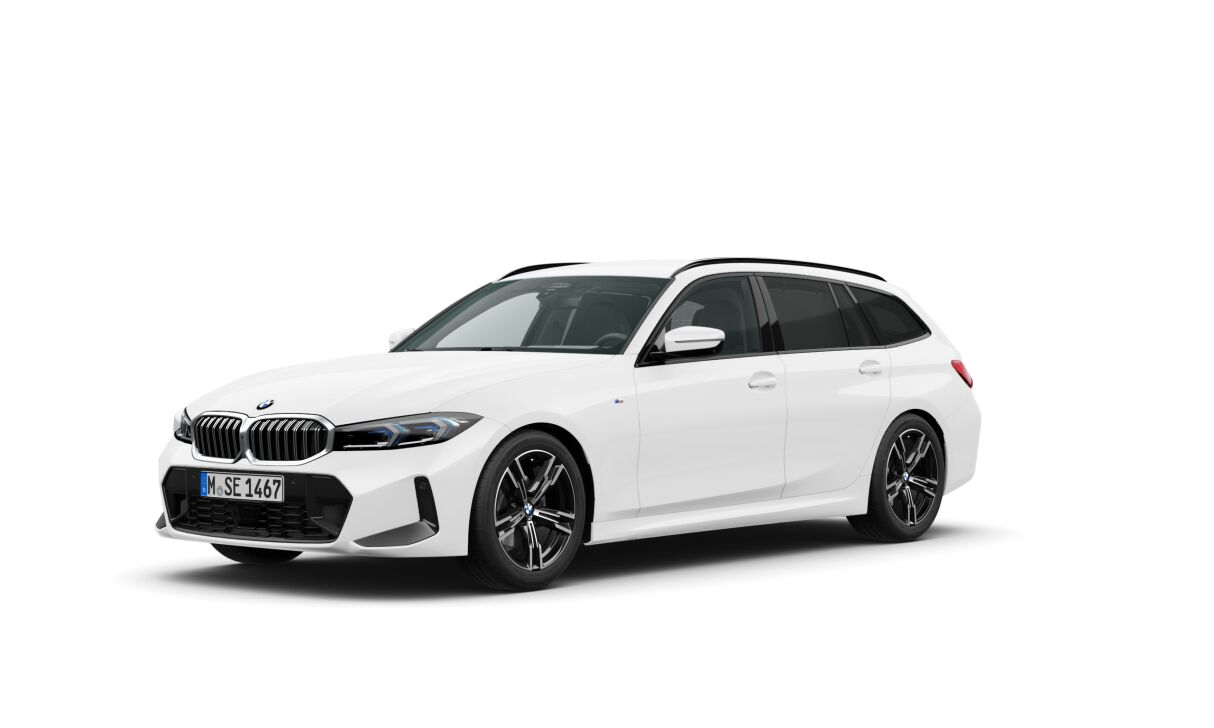
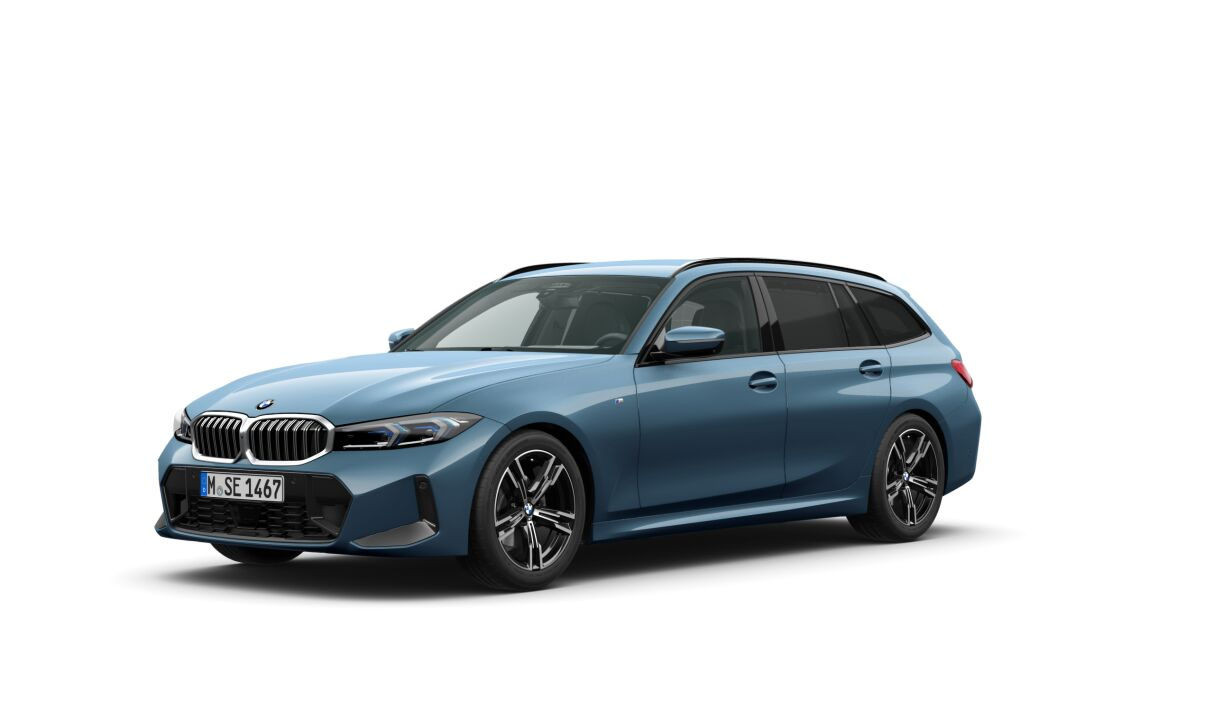
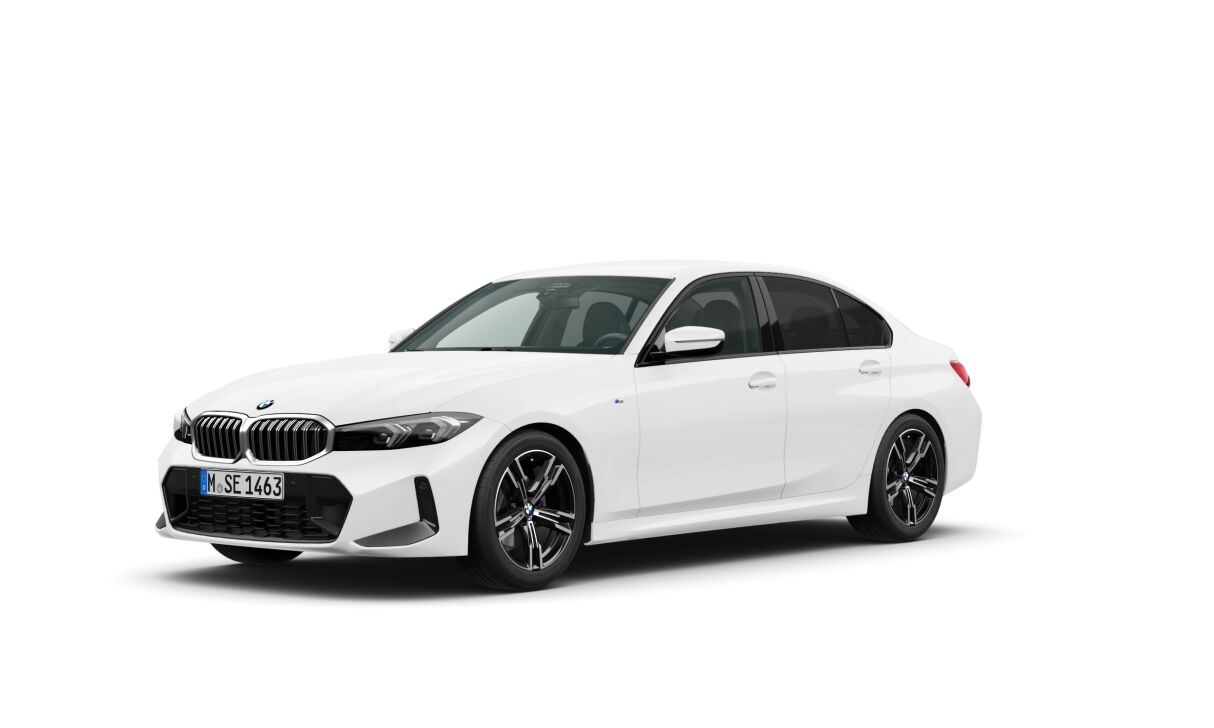
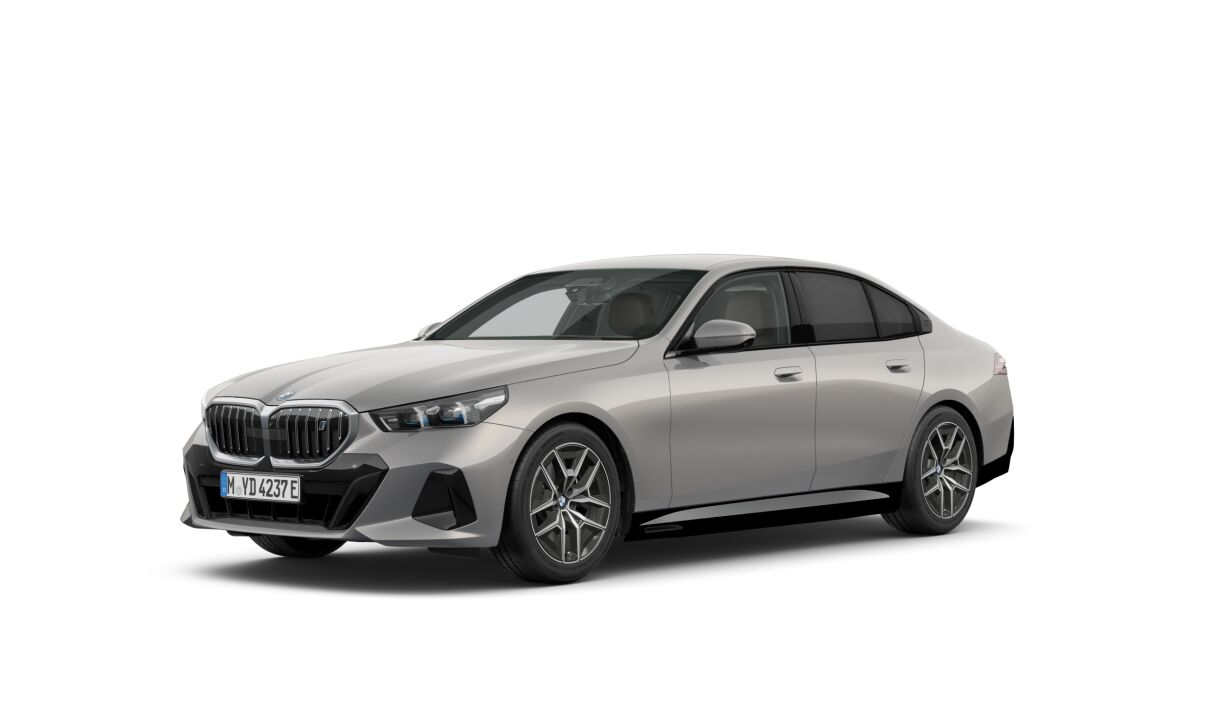
With multi-car fleets you can count on us beyond the rental: we help develop a complete company car policy – from the basics all the way to proposed individual employment-contract amendments. Our standing partner in this is RSM Hungary Zrt., where tax, accounting, HR and legal advisory are in one hand. The result: a multi-level yet standardised programme tailored to your industry environment – with categories, reference models, and the handling of individual employee requests in a way that brings no extra cost to the company. Whether the goal is a general car programme, ESG targets, or premium mobility as an incentive and retention HR tool.
What do we provide beyond the rental?
A larger fleet is never just a row of cars: it is also a matter of policy, taxation, employment law and HR. We do not leave you alone with that – we help develop a complete company car policy, starting from the basics: categories and entitlement levels, reference models, usage rules, settlement procedures, all the way to possible proposed individual employment-contract amendments. The professional backing comes from our standing partner, RSM Hungary Zrt., where tax, accounting, HR and legal advisory are in one hand. A well-established cooperation of many years – so every element of the programme is prepared in harmony with the others.
A multi-level, standardised programme
We do not force a template on you: we propose a multi-level yet standardised company car programme, tailored to your industry environment. The goal can be:
- a general car programme – transparent categories, predictable fleet cost;
- meeting ESG targets – by consciously shaping the fleet's composition;
- an incentive and retention HR tool – the company car or mobility programme as a well-communicable element of the compensation package.
The programme remains manageable even with several standard categories: the frames are uniform, the exceptions are regulated. And what is a daily necessity in a corporate environment: the trip log and fleet reporting are part of the service – from our own system, without extra fees or external providers, uniformly across the entire fleet.
Individual employee requests – with no extra cost to the company
A good car policy is not good because it has no exceptions – it is good because even the exceptions are regulated. We build the programme so that within defined limits employees can upgrade: request a different colour, higher equipment, even step up a category. There will naturally be deviations from the reference models' fees – and we prepare the policy and the proposed employment-contract amendments so that the fee difference is borne by the employee, at no extra cost to the company. The result: whoever wants a little more or a little different gets in the company car satisfied every day, having taken on the difference – and likes working where they work.
ESG – not from a lecture, from our own experience
Environmental awareness is not a presentation slide for us – like the BMW Group, we are committed believers, and we started with our own operations. Our employees' permanent company cars are electric, every single one, and the electricity for charging them is generated by us at our premises – roughly 90–95 MWh a year – and we organise the charging so that we consume when we generate.
Why is this interesting for your fleet? Because in the PHEV/BEV transition we can help with first-hand experience – right down to the charging infrastructure: which use case suits a pure electric and which a plug-in hybrid, what size and type of charging capacity a site needs, what to watch for when settling home charging. We do not give theoretical recommendations, but what we have already tried on our own cars and our own chargers.
The company car as a retention tool
The company car is a standard element of competitive compensation packages today. A BMW's monthly fee will be higher than a non-premium car's – depending on the category, by as little as a few tens of thousands of forints a month. So the question is: if a few tens of thousands of forints a month can retain a good employee the company counts on – is it worth it? If that person has even a slight interest in cars, quite likely yes. It is less than what recruiting, training and lost output after a resignation would cost – and it is a daily, visible form of appreciation.
And if the question comes up – "how does it look if we drive BMWs?" –: why shouldn't an employee of a successful, profitable company, rightly proud of its performance, drive a premium car? Within a transparent car policy this is not showing off, but a sign that the company takes its people seriously and appreciates them.
A good car policy is a financial, legal and HR decision at once. We bring all three to one table – what remains for you is a single programme: transparent, regulated, and one your employees are happy to get into.
This article is general information, not tax, legal or HR advice. The specific programme is always developed tailored to your company.
Related:
Frequently asked questions
From how many cars does this count as a "larger fleet"?
There is no boundary set in stone. A car policy typically delivers the most when there are already several categories and several user groups – but its elements can be applied to smaller fleets too. Let's discuss your specific situation.
Who prepares the legal and tax parts?
We develop the proposals together with our standing partner, RSM Hungary Zrt., where tax, accounting, HR and legal advisory are in one hand. The final documents are of course decided together with your own experts – accountant, lawyer.
Won't employee upgrades upset the fleet budget?
No – that is exactly the point. The policy and the proposed employment-contract amendments are prepared so that the fee difference versus the reference model is borne by the employee, while the company's budget remains unchanged.
Do we get fleet-level reports?
Yes – reporting is part of the service, as is the monthly trip log: both come from our own fleet-management system, at no extra fee. The fleet manager gets a uniform, up-to-date picture of the entire fleet.
How can the programme contribute to ESG targets?
By consciously choosing the categories and reference models – for example by including or prioritising electric and plug-in hybrid models – the fleet's emission profile can be shaped in a plannable way, and the programme underpins the ESG report with documentation. For the transition we bring our own first-hand experience: our permanent company cars are all electric, charged with electricity we generate ourselves.
We have an existing, mixed fleet. Can this work for us?
Yes – developing a car policy does not assume the entire fleet is replaced at once. The programme can also be introduced gradually, as the existing fleet phases out.