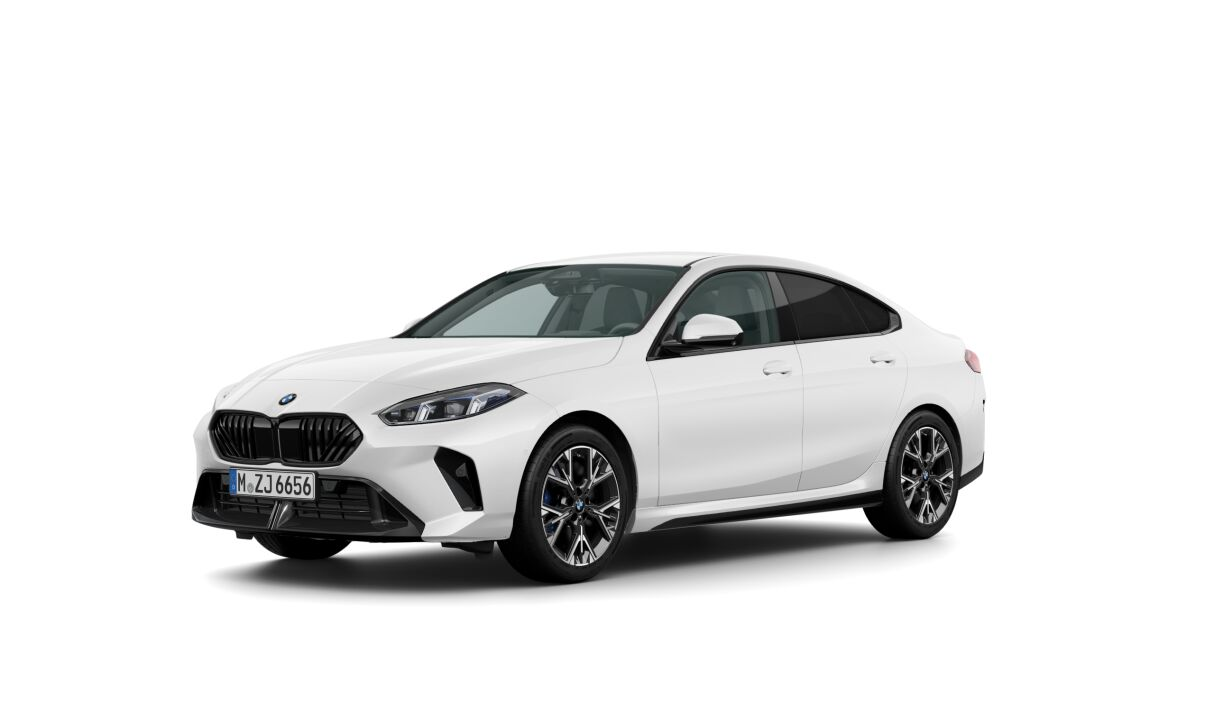
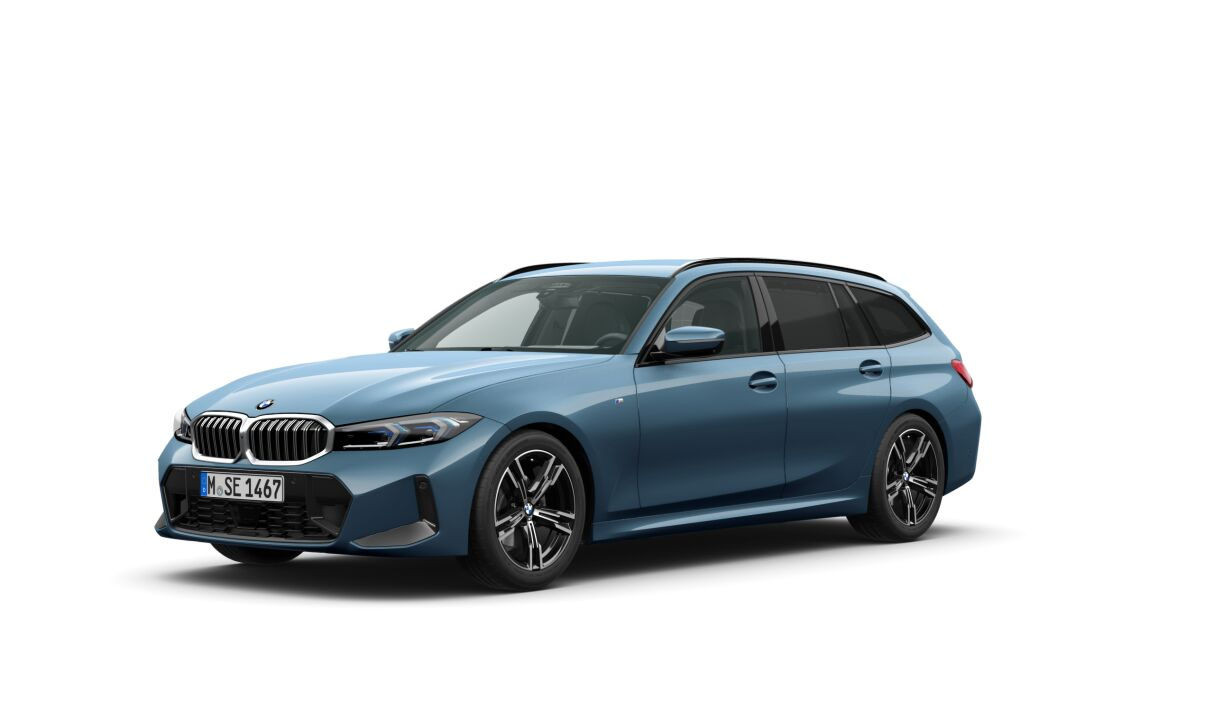
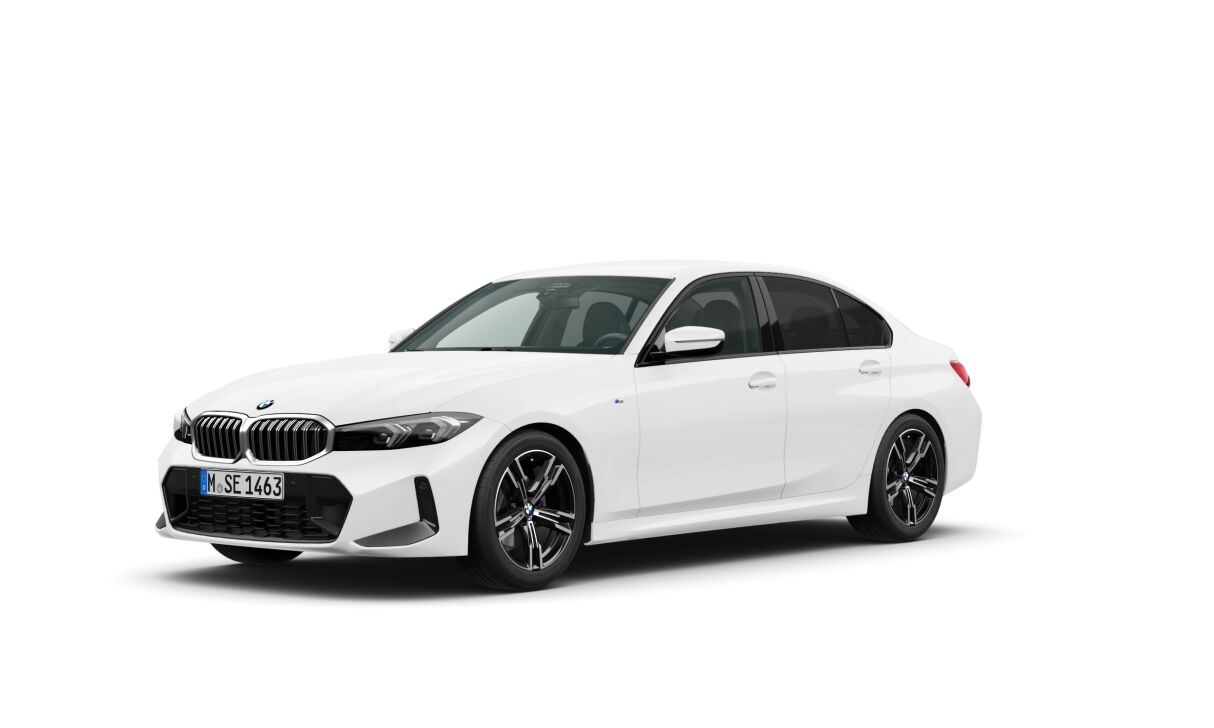
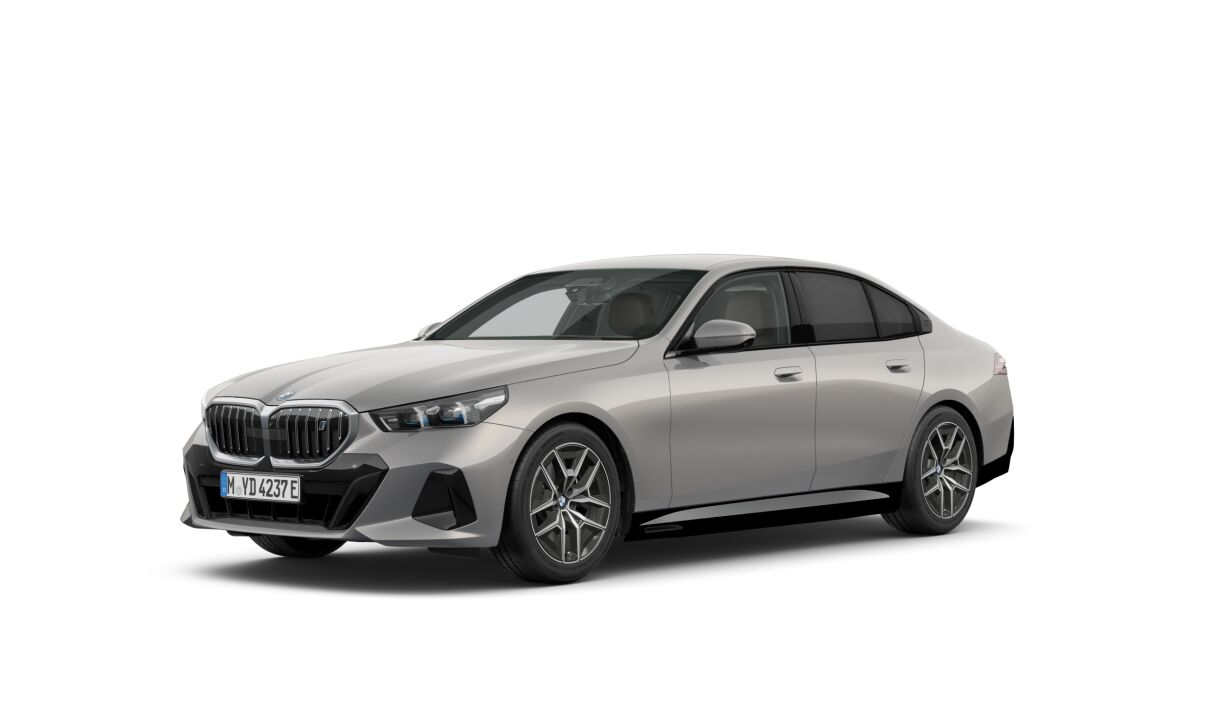
Next to our cars you see a monthly fee in both EUR and HUF. The two are not conversions of each other: they are two separate calculations, each on its own currency base and its own interest level – euro financing carries lower interest, so the EUR fee is typically more favourable. We recommend the EUR structure to companies with EUR revenue; if you only have HUF revenue, the HUF structure is the comfortable choice – or the EUR one, paired with a currency hedge arranged at your bank. Whichever you choose, the fee is fixed until the end of the term: only a statutory tax change can modify it.
Why is it not a conversion?
If you divide the HUF fee by the current exchange rate, you do not get the EUR fee – and that is not a mistake. Behind the two fees stand two separate financing calculations: one in forints, on a forint interest base, the other in euros, on a euro interest base. Since euro interest levels are persistently lower than forint ones, the financing cost of the EUR structure – and thus its monthly fee – is typically more favourable. The difference is therefore not an exchange-rate difference but an interest-rate difference.
Who do we recommend the EUR structure to?
- Companies with EUR revenue. For an exporter or a company invoicing foreign partners, its own EUR revenue is the natural hedge for the rental fee – exchange-rate risk is practically zero, while the more favourable interest level remains.
- Companies with only HUF revenue who still want the better fee. The exchange-rate risk is manageable: with forward (hedging) transactions at your bank or financial provider you can fix in advance the rate at which you convert for the fee payments. Predictability is secured, and the interest advantage stays.
What about exchange-rate risk?
We do not forecast exchange rates – a business needs predictability, not an exchange-rate opinion. That is what a hedge is for: a company that chooses the EUR structure with HUF revenue can fix its own forint cost for the entire term with forward transactions arranged at its bank.
A fixed fee – in both currencies
Whether you choose the EUR or the HUF structure, the fee remains unchanged until the end of the term. We do not index it, we do not "review it annually" – only one thing can modify it: a statutory tax change. If the state raises a tax (for example the company car tax), passing it on happens on a statutory basis; every other risk – interest, parts prices, labour rates – is ours. Details in our article on the fixed fee.
Two currencies, two interest levels, one common point: both fees are fixed until the end of the term, and only a statutory tax change can modify them.
This article is general information, not financial advice. Your bank or financial advisor can offer hedging transactions tailored to your situation.
Related:
Frequently asked questions
Which fee will I actually pay – will there be an "exchange-rate" surprise on the invoice?
We invoice in the currency of the structure you chose in the contract, at a fixed amount. The HUF structure contains no exchange-rate element at all; in the EUR structure the fee is fixed in euros.
If I only have forint revenue, can I choose the EUR fee?
Yes. In that case it may be worth hedging the exchange-rate risk with forward transactions at your bank – the advantage of the lower EUR interest level stays, while your forint cost is fixed in advance. Your bank or financial advisor can arrange this.
Can I switch to the other currency mid-term?
That means re-arranging the financing structure, so it is not automatic – but get in touch, and we can always give you a fair answer for the specific situation.
Why is the EUR fee lower if it is the same car?
Because the financing behind it carries lower interest. The car and the service are the same – the price of money differs between the two currencies.